
Trang An vs Tam Coc: Best Ninh Binh Boat Tour by Season (2026 Updated Guide)
Choosing between Trang An and Tam Coc in Ninh Binh? This complete guide covers every season, pricing, crowd levels, and expert tips to help you pick the right boat tour.
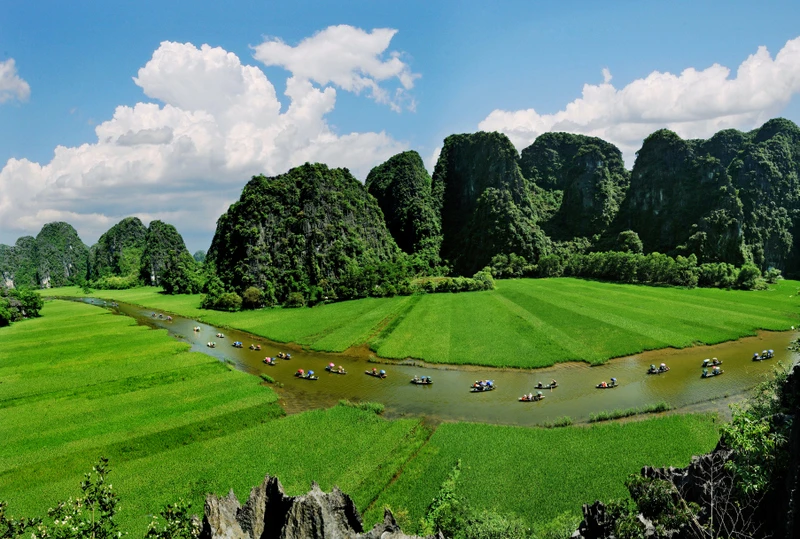
If you are planning a trip to Ninh Binh, Vietnam, two names will appear in almost every travel guide: Trang An and Tam Coc. Both offer unforgettable sampan boat rides through a landscape of towering limestone karsts, hidden caves, and emerald waterways, so similar on the surface that many travellers wonder if there is even a real difference.
There is, and it matters, especially depending on when you visit.
This guide breaks down the Trang An vs Tam Coc comparison season by season, so you can choose the right boat tour for your travel dates and travel style. Whether you are chasing golden rice fields, misty winter mornings, or festival energy, you will find everything you need here.
Quick Overview: Trang An and Tam Coc at a Glance
Before diving into the seasonal breakdown, here is a quick summary of what makes each site unique.
Trang An is the more spacious of the two. It sits at the heart of the Trang An Scenic Landscape Complex, Vietnam's only UNESCO World Heritage Site recognised for both natural and cultural significance. The boat tour winds through a network of rivers, lakes, and up to nine caves, passing ancient temples and pagodas. Tours typically take 2.5 to 3.5 hours, depending on the route chosen, and tickets are priced at 300,000 VND per person (approximately $12 USD) as of 2026.

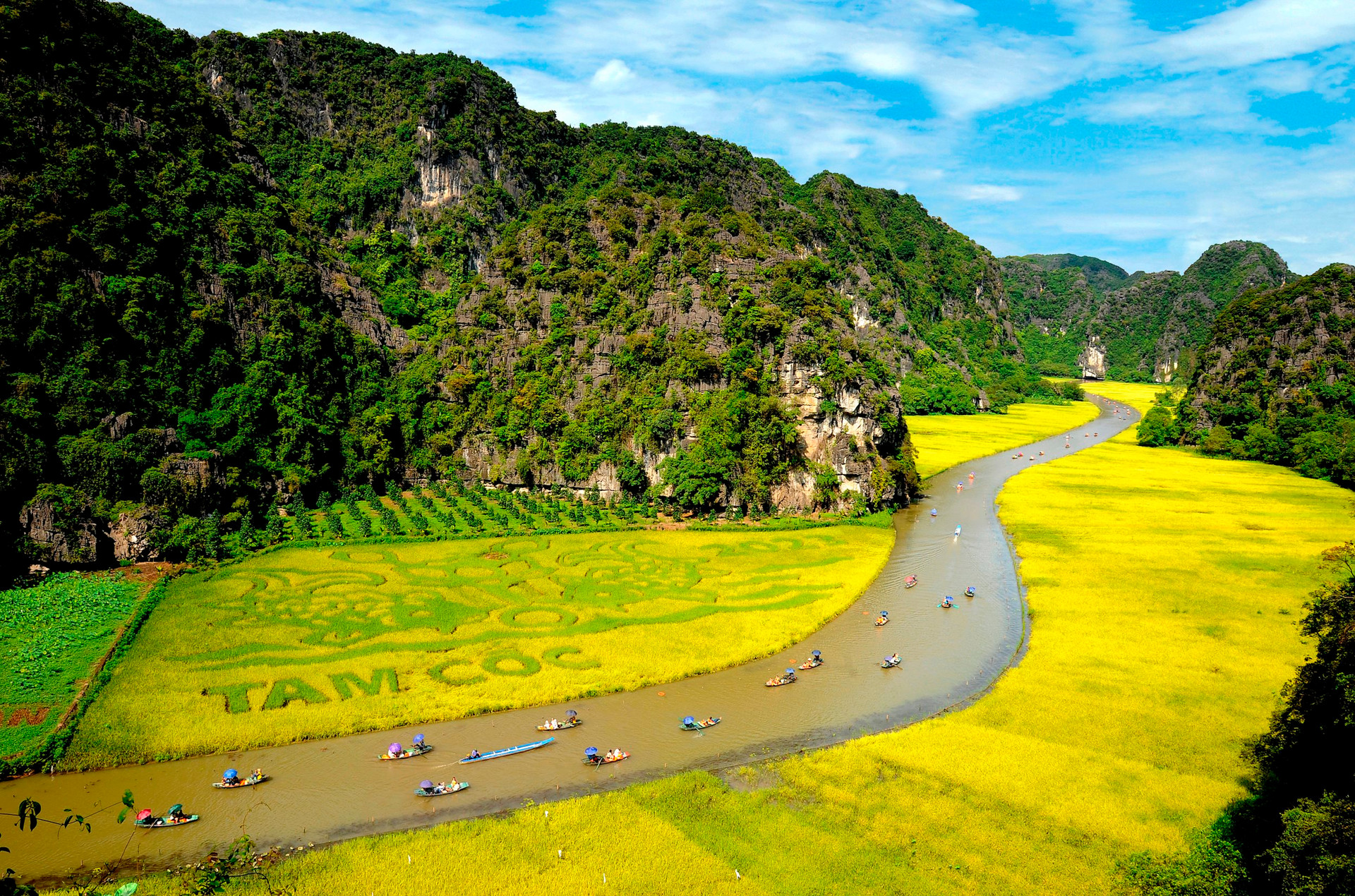
Tam Coc — meaning "three caves" — centres on a single river, the Ngo Dong, which flows through three natural cave tunnels carved into the karst mountains. The scenery is more defined and photogenic, particularly because of the rice paddies that line the riverbanks for most of the year. Boat rides take around 1.5 to 2 hours and cost approximately 250,000 VND per adult.
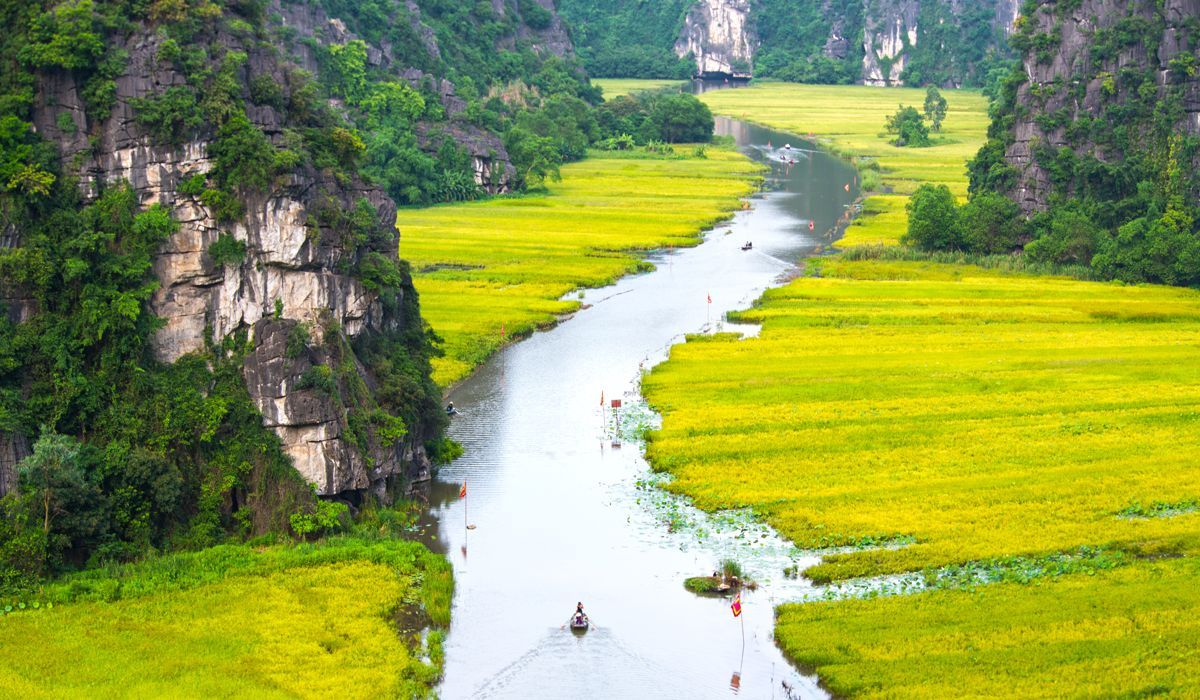
Both tours use traditional narrow wooden sampan boats, often rowed by locals. Neither requires physical effort from visitors — you simply sit and absorb the scenery.
Trang An vs Tam Coc by Season
This is the section most travel guides skip. The experience at both sites changes significantly throughout the year, and knowing what each season offers can make a real difference to your trip.
Spring (February to April): Festivals, Green Fields, and Ideal Weather
Spring is widely considered one of the best times to visit Ninh Binh, with mild temperatures ranging from around 18°C to 28°C (64°F to 82°F), comfortable humidity, and lush green vegetation recovering from the winter chill.

At Trang An in spring, the landscape bursts with new greenery as vegetation regenerates after winter. Early spring — particularly late February and March — coincides with a busy pilgrimage season, as Vietnamese visitors travel to Trang An to attend the Trang An Traditional Festival, held annually on the 18th day of the third lunar month.

This festival honours Saint Quy Minh and draws significant local crowds. If you plan to visit during this period, aim for early mornings on weekdays to avoid peak congestion at the boat launch areas.
At Tam Coc in spring, rice replanting begins shortly after Tet (Vietnamese Lunar New Year, usually in late January or early February). The paddies gradually transform from bare earth to a vivid carpet of young green shoots by March and April. Spring mist in the early morning creates genuinely atmospheric conditions for photography, with soft light filtering through the karst peaks.

For spring: Both sites are excellent, but Tam Coc edges ahead visually in April as the green rice fields reach their most vibrant. Trang An is worth visiting earlier in spring if you want to experience the festival atmosphere — just go early in the day.
Summer (May to August): Golden Rice, Heat, and Rain
Summer in Ninh Binh is warm, humid, and increasingly wet as the season progresses. Temperatures regularly reach 30°C to 35°C (86°F to 95°F), and the rainy season runs from May through September.

The highlight of summer at Tam Coc is the rice harvest, which typically falls in May and early June. This is when the iconic golden rice fields appear — the ones plastered across travel posters and Instagram grids across the world. The contrast of golden paddies against grey-green limestone mountains is genuinely stunning. If there is one season to visit Tam Coc specifically for photography, this is it. However, this is also Tam Coc's busiest and most expensive period, with tour prices and accommodation rates peaking. Booking in advance is strongly advised.
At Trang An in summer, there are no rice fields, so the seasonal draw is different: the ecosystem is at its most lush and biodiverse, with dense jungle covering the karst formations and wildlife thriving in the wetlands. The caves, which remain cool even on the hottest days, provide a welcome break from the heat. A practical advantage of Trang An in summer is that its deeper river routes are less prone to disruption from heavy rain than the shallower waterways at Tam Coc.

By July and August, afternoon rainfall becomes regular and at times heavy. Morning boat rides — departing by 7:00 or 8:00 AM — are strongly recommended during this period to avoid showers and the midday heat.
For summer: Visit Tam Coc in May or early June for the golden harvest scenes. Visit Trang An in July or August if you want a greener, cooler, more reliable experience during the wetter months.
Autumn (September to November): The Best All-Round Season
Autumn is the season that most travel experts point to as the overall best time to visit Ninh Binh. Temperatures cool to a comfortable 20°C to 30°C (68°F to 86°F), rainfall decreases significantly, and the landscape retains the lushness of summer rains without the oppressive heat.
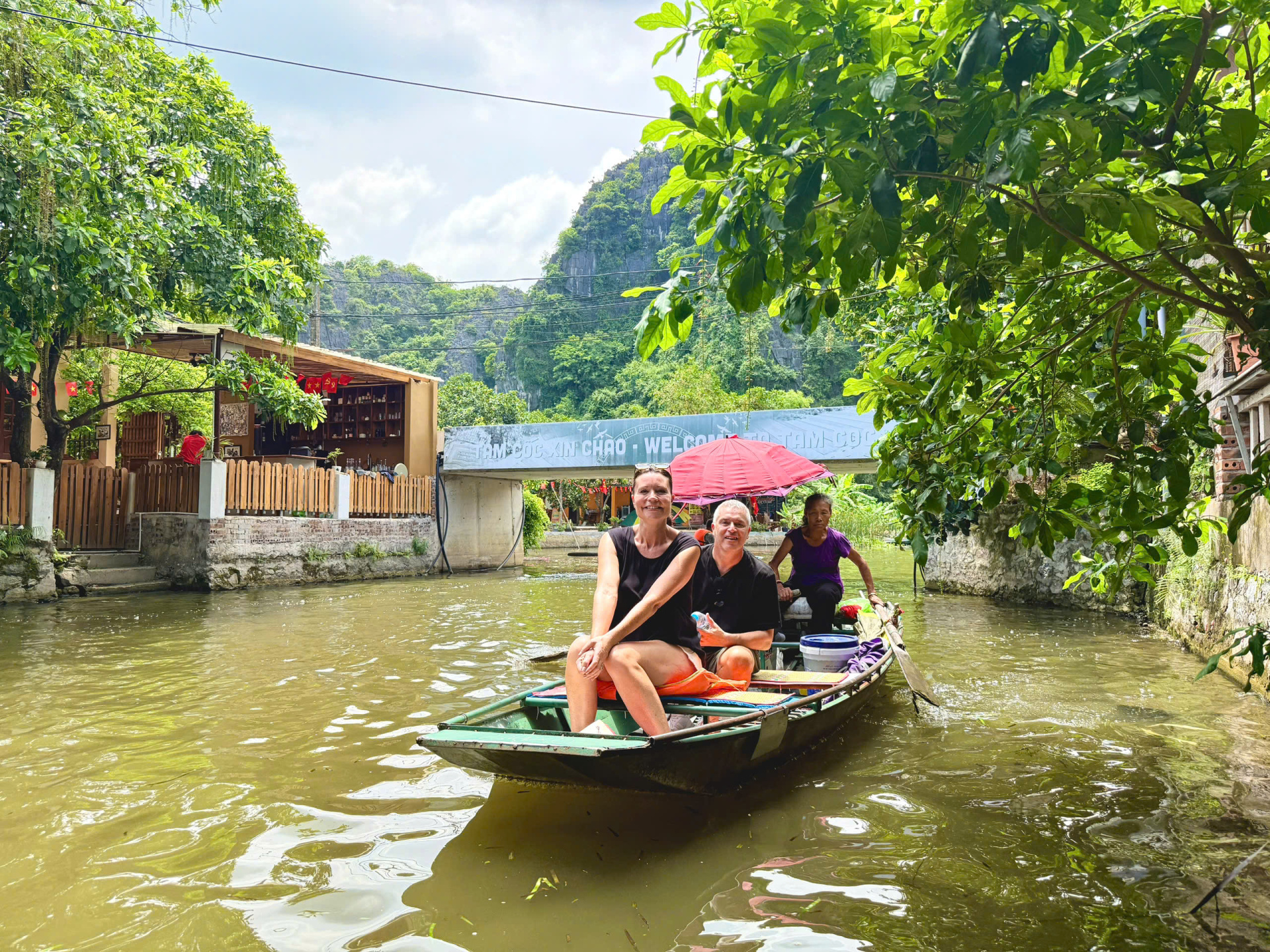
At Tam Coc in autumn, September and October mark a is not a harvest season. Someone will think that Autumn is when the paddies once again turn golden as rice ripens for harvest. However, due to the waterway, Tam Coc has only one golden season per year. If you wish for it, come in June. You can still admire clearer skies, cooler air and the peaceful river—this time for waterlily flower blooms, one of the most photogenic months of the entire year. Crowd levels are also lower than in the May–June harvest peak, which means a more relaxed ride.
At Trang An in autumn, the landscape transitions subtly — some plant species enter semi-dormancy, which actually improves visibility of the limestone formations and wildlife that summer vegetation conceals. The reduced rainfall makes the boat routes more reliable, and waiting times at the ticket booths are shorter than in peak months. November, in particular, is an excellent month to visit Trang An: international tourists thin out, domestic crowds are light outside of weekends, and the entire experience feels more serene.

For autumn: This is the single best season to visit either site. Tam Coc delivers its most iconic scenery; Trang An is peaceful and beautifully clear.
Winter (December to January): Quiet, Misty, and Atmospheric
Winter in Ninh Binh is the coolest and driest season, with temperatures ranging from around 15°C to 22°C (59°F to 72°F). It is also the least crowded time of year, making it ideal for travellers who prioritise tranquillity over peak scenery.
At Trang An in winter, morning mist rises off the water and drifts between the limestone peaks, creating dramatic and atmospheric conditions for photography — particularly in the 6:00 to 8:00 AM window. The reduced foliage reveals more of the rock faces, and the famous caves feel especially quiet and contemplative. Waiting times for boats drop significantly: January visitors can typically board within 5 minutes, compared to waits of up to 20 minutes during high season.

At Tam Coc in winter, the rice fields lie fallow between harvests, so the paddies are bare. The scenery relies more heavily on the karst mountains and the cave tunnels themselves, which remain impressive year-round. The cooler temperatures make this a comfortable time for cycling the surrounding countryside and exploring the nearby Bich Dong Pagoda.

For winter: An underrated time to visit. Choose Trang An for its mystical misty atmosphere; visit Tam Coc if you want quiet caves and a peaceful cycling experience alongside the boat tour.
Important note for winter visitors: The Tet holiday (Lunar New Year) falls in late January or early February, depending on the lunar calendar. Both sites, and Ninh Binh more broadly, see a significant surge in domestic visitors during this period. If you are travelling around Tet, book accommodation well in advance.
Key Differences: Trang An vs Tam Coc Side by Side
Feature | Trang An | Tam Coc |
| UNESCO status | Yes (World Heritage) | No (part of the wider complex) |
| Boat ride duration | 2.5 to 3.5 hours | Approximately 1.5 to 2 hours |
| Caves | Up to 9 caves | 3 caves |
| Rice field scenery | No | Yes (seasonal highlight) |
| Cultural stops | Yes (temples, pagodas) | Limited |
| Typical crowd level | Higher in Spring, fesstival time, Moderate in other seasons | Higher in the rice season |
| Ticket price (2026) | ~300,000 VND/person | ~250,000 VND/adult |
| Best season | Autumn or spring | May–June or October |
| Good for | Cultural depth, cave variety | Photography, rice field scenery |
Can You Visit Both in One Day?
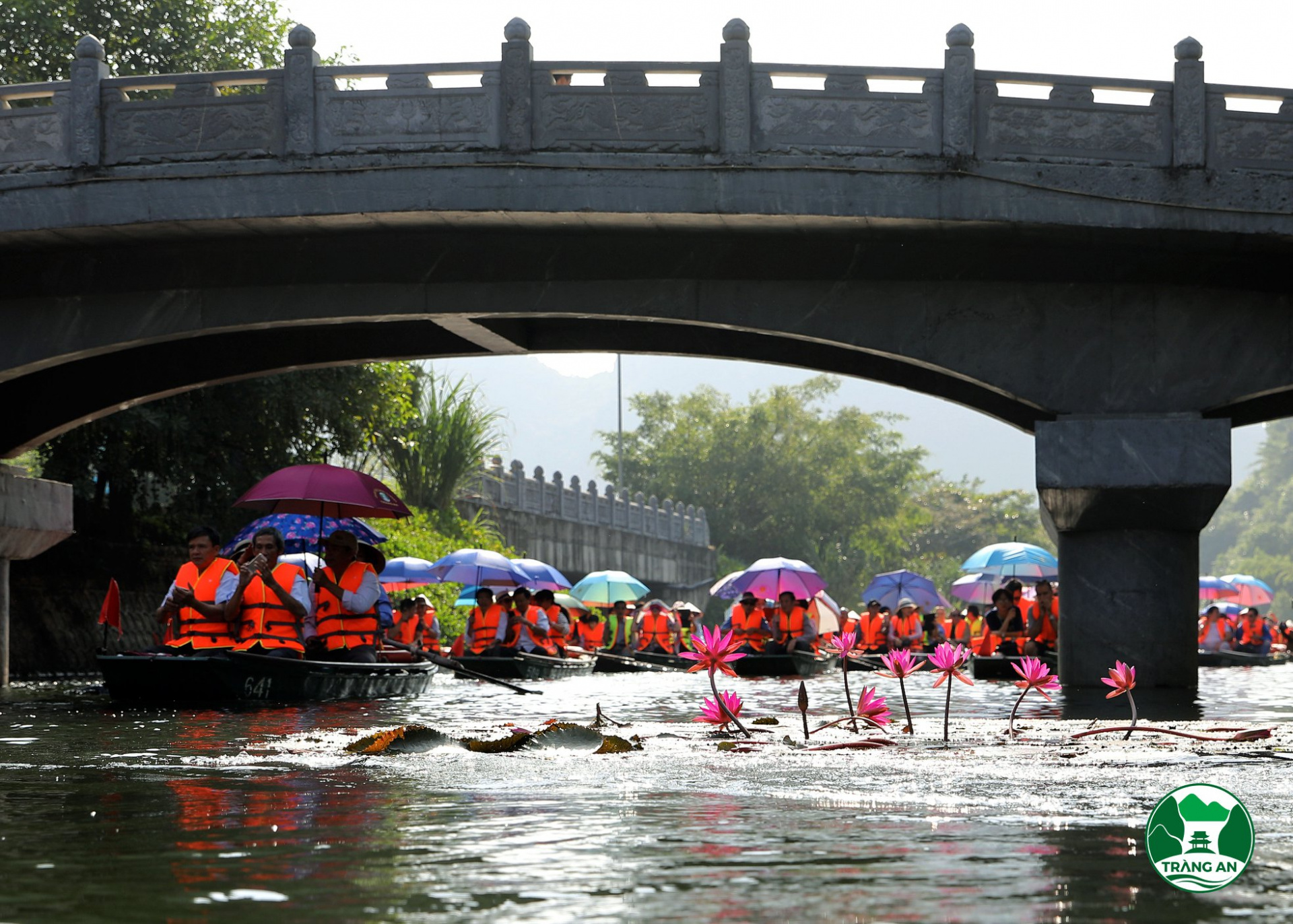
Yes — and many travellers do. Trang An and Tam Coc are approximately 7 km apart, making a same-day visit entirely feasible. The most practical approach is to complete the Trang An boat tour in the morning (starting as early as 7:30 AM) and then head to Tam Coc in the early afternoon. Allow enough time between the two to rest, eat, and travel between sites. This is best attempted during autumn or spring, when weather is reliable and the heat is manageable.
Practical Tips for Both Sites
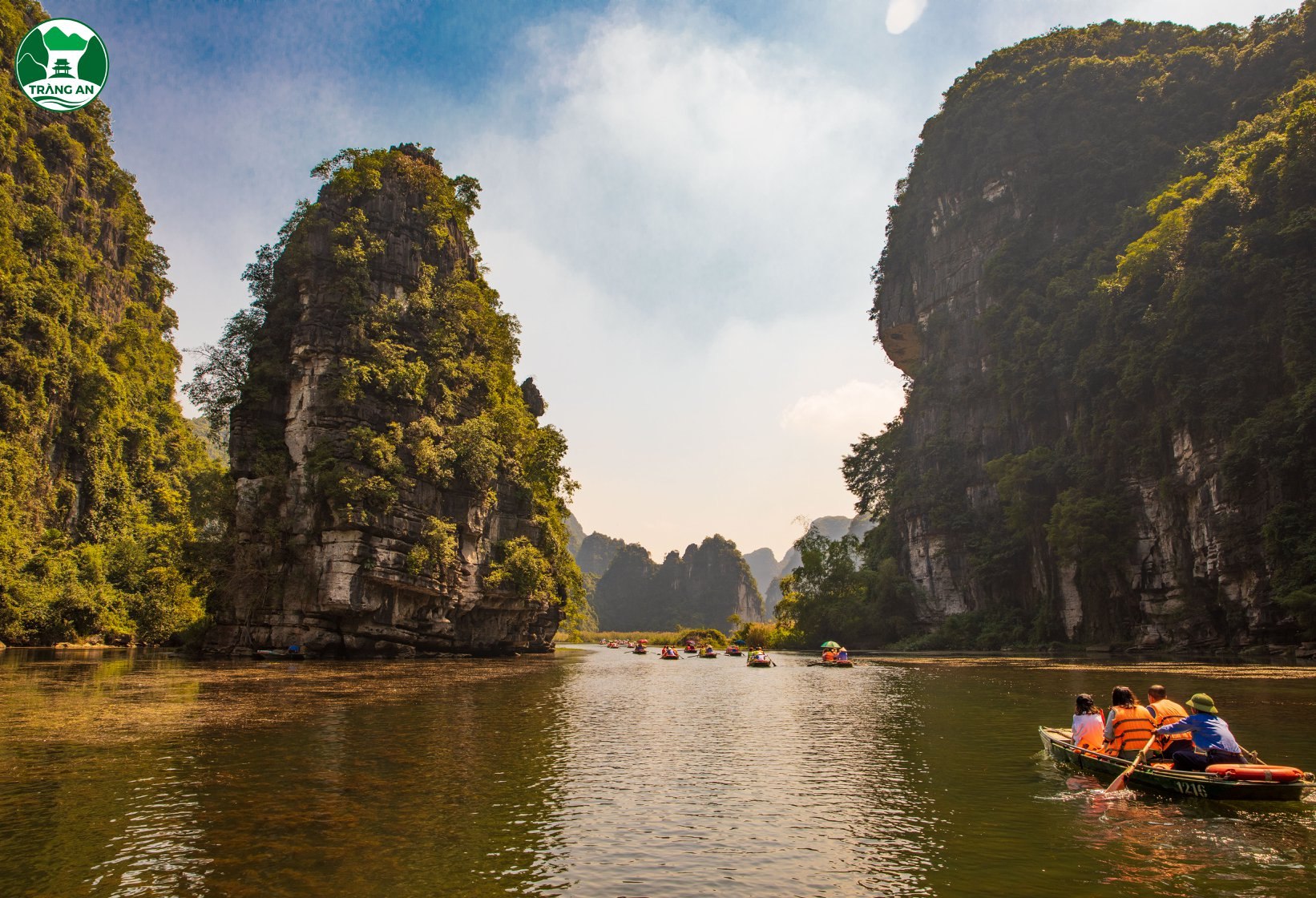
- Getting there: Ninh Binh is around 90–100 km south of Hanoi. Trains from Hanoi's Ga Hanoi station take approximately two hours and are a comfortable option. From Ninh Binh town, both Trang An and Tam Coc are reachable by taxi, motorbike taxi (xe om), or bicycle hire.
- Arrival time: Both sites are best visited early in the morning. Arrive before 8:00 AM to beat the main tour groups, which typically arrive between 10:00 AM and 3:00 PM.
- What to bring: Sun protection and a hat are essential in summer and autumn. A light waterproof layer is recommended during spring and the rainy season. Take care of your phone because you are surrounded by water.
- Tipping: While not compulsory, tipping your boat rower is a kind gesture. The physical effort involved — particularly when using the foot-rowing technique — is considerable over several hours.
- Vendor boats at Tam Coc: During the tour, small vendor boats may approach to sell drinks and souvenirs. This is a known part of the Tam Coc experience and is not considered aggressive, but it is worth knowing in advance.
Which One Should You Choose?

- If you want the most culturally rich experience with greater variety in caves and landscapes, and are not specifically chasing rice field photography, choose Trang An.
- If you are visiting in May, June, or October and want the iconic golden-rice-field-meets-limestone-mountain imagery: choose Tam Coc.
- If you want both, plan a full day and start early. The two experiences complement rather than duplicate each other, and Ninh Binh is worth the time investment.
Conclusion

The Trang An vs Tam Coc debate does not have a single winner — it depends entirely on when you visit and what you want to experience. Both boat tours offer something genuinely special, and the limestone karst landscape of Ninh Binh is one of the most striking natural settings in all of Southeast Asia.
Plan your visit according to the season, arrive early, and take your time on the water. The scenery — whichever river you choose — will stay with you long after you leave.
Have you visited Trang An or Tam Coc? Share your experience in the comments below. If this guide helped you plan your trip, consider bookmarking it or sharing it with a fellow traveller.
Check our tour here:
TAM COC: Full-Day Ninh Binh Highlights Tour from Hanoi
TRANG AN: Hoa Lu - Mua Cave- Trang An
You might read:
Ninh Binh Tour from Hanoi: Which One Is Worth It? (Full Guide 2026)
Ninh Binh Toplist 2026: Best Attractions, Activities, Food, Hotels & Tours (Ultimate Guide)
Other Articles